020 3744 3778
Valentines Park garden projects by local Gants Hill gardeners
Posted on 04/11/2026
Valentines Park Garden Projects by Local Gants Hill Gardeners
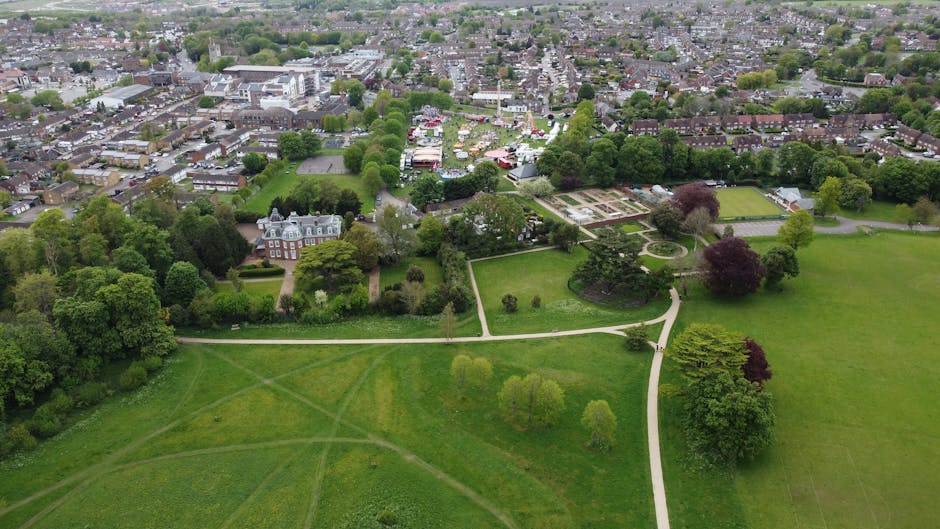
Valentines Park has that rare mix of calm, open space, and everyday usefulness that makes people stop and think, "We could do something better with our own garden, couldn't we?" That is exactly where Valentines Park garden projects by local Gants Hill gardeners come in. Whether you are planning a tidy refresh, a complete redesign, or a practical overhaul that makes your outdoor space easier to live with, local gardeners bring nearby knowledge, sensible plant choices, and a feel for what works in East London weather.
In this guide, we will break down what these projects usually involve, how they are delivered, what makes them worthwhile, and where people often trip up. You will also find a comparison table, a useful checklist, and a real-world style example to help you picture the process. Truth be told, garden work is rarely just about plants. It is about layout, drainage, privacy, access, maintenance, and the way a space actually feels when you step outside in the morning with a mug of tea.
For readers comparing services or planning a project of their own, it can also help to understand the wider support available, from general gardening services and landscaping to regular garden maintenance. That way, the bigger picture starts to come into focus.
Why Valentines Park garden projects by local Gants Hill gardeners Matters
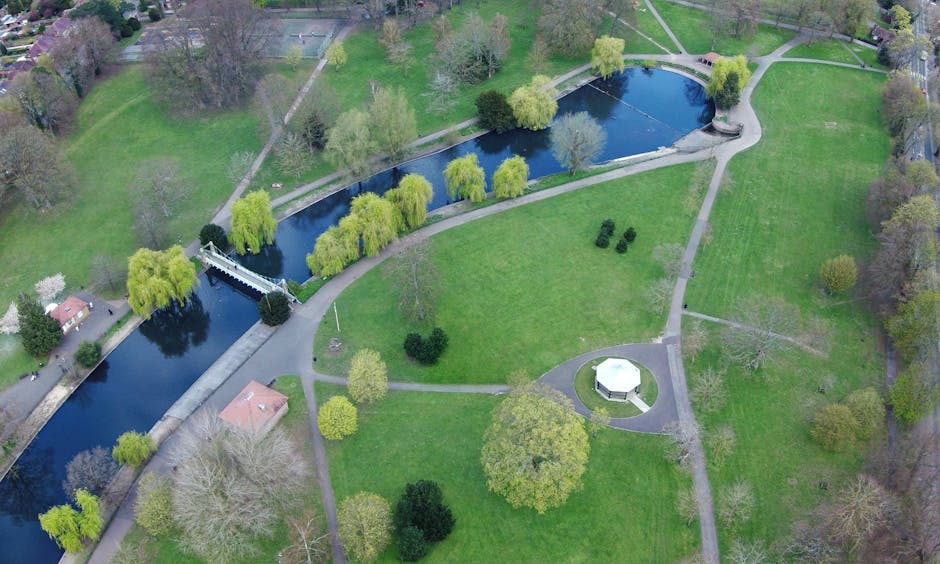
Valentines Park is not just a name on a map; it sets a standard. When people spend time in a well-kept park, they notice proportion, planting rhythm, clear edges, and spaces that feel welcoming rather than fussy. That same thinking can be brought home. Local Gants Hill gardeners understand how to turn a garden from "fine, I suppose" into somewhere you actually want to use.
Why does that matter so much? Because many garden problems are local problems. Clay-heavy soil, narrow side returns, wind exposure, shady fences, and a patchy lawn all respond better when someone knows the area and the conditions. A gardener working nearby is more likely to spot what a particular plot needs without overcomplicating it. That saves time, and often money too.
Another reason these projects matter is that they are usually practical, not theatrical. A good local team will think about how you move through the garden, where water collects after rain, what needs cutting back before winter, and which parts should be low-maintenance. No grand gestures for the sake of it. Just a sensible plan that fits your home.
Expert summary: the best garden projects do not start with "What looks impressive?" They start with "What will make this space easier, healthier, and nicer to live with every week of the year?"
For many households, especially those juggling work, kids, pets, or older paving, that kind of realism is the difference between a garden project that lasts and one that quietly unravels by autumn.
How Valentines Park garden projects by local Gants Hill gardeners Works
Most projects begin with a site visit or a detailed conversation. The aim is to understand the condition of the garden, the client's priorities, and any awkward bits that need attention first. A small front garden, for example, may need a completely different approach from a back garden with a long shaded boundary and tired turf.
In practical terms, the process often follows a simple pattern:
- Assessment: the gardener looks at soil condition, access, drainage, light levels, boundaries, and existing features.
- Planning: the project is shaped around your goals, budget, and maintenance preferences.
- Preparation: old growth, waste, weeds, broken edging, or unstable features are cleared or repaired.
- Build and plant: the new structure, planting, or surface work is installed.
- Finish and aftercare: the garden is tidied, checked, and handed over with clear maintenance guidance.
That sounds straightforward, and mostly it is. The challenge lies in making the right decisions early. For instance, if you want privacy, it may be better to combine planting with structural features rather than relying on one quick fix. A smart project might use hedge plants, screening, and a well-placed seating area rather than one tall fence panel that looks fine in February but awkward by midsummer.
Local gardeners often pull in related services where needed. A project might include hedge work, lawn care, patio cleaning, or a bit of tree surgery if overgrown branches are swallowing light. It is all part of making the space workable, not just pretty.
Key Benefits and Practical Advantages
The benefits of a well-planned garden project are broader than most people expect. Yes, it can improve appearance. But the real value is often felt in the everyday use of the space.
- Better first impressions: a garden that is neat, balanced, and clearly designed makes the whole property feel more cared for.
- More usable outdoor space: a path that actually drains, a sitting area that catches the afternoon light, or a border that does not collapse every time it rains makes a real difference.
- Lower maintenance burden: the right planting and structure can reduce weekly chores and help the garden stay manageable.
- Improved privacy and comfort: layered planting and screening can soften views without making the garden feel boxed in.
- More resilience: gardens designed with weather, wind, and seasonal change in mind tend to hold up better over time.
There is also a less visible benefit: confidence. Once a garden is organised properly, people start using it again. The back door gets opened more. Children wander outside. You might sit out for ten minutes after dinner, then twenty. Small thing, big shift.
If you are trying to keep costs sensible, it is worth thinking in phases. A garden revival does not need to happen all at once. In fact, many of the most successful projects are rolled out in stages, with priority work first and finish work later. That can be especially helpful if you are looking at budget-friendly ways to elevate an outdoor space without cutting corners.
Who This Is For and When It Makes Sense
This kind of project suits a wide range of people, but a few groups tend to benefit most.
Homeowners with tired gardens: If the lawn has thinned out, the borders are muddy, and the whole place feels stuck in limbo, a proper project can reset the space. You do not need a full redesign every time. Sometimes you just need a strong starting line-up, to borrow a phrase from the world of garden revival.
Busy households: If you need the garden to be low-fuss, local gardeners can shape it for easier upkeep. That might mean tougher planting, clearer boundaries, or smarter use of mulch and ground cover. For ideas on hardy, practical planting, many readers find value in guides such as ground cover plants for UK gardens.
Families with children: Safety, visibility, and open play space matter. A garden can be fun without becoming chaotic. If that is your priority, design choices around edging, surface material, and zoning are worth a proper look. There is a useful balance to strike here, and not every garden needs the same answer.
Pet owners: If you have a dog, the project should allow for wear, digging, muddy paws, and safe plants. That may mean tougher turf, better access routes, or a hardier layout. A good starting point is a pet-aware design, not an afterthought.
People wanting privacy or screening: This is where local experience really counts. In some gardens, a hedge is the right answer. In others, a mixed border or climber is better. Sometimes you need a combination. If you are exploring boundaries, the article on lush hedge plants for fast privacy can help shape the conversation.
To be fair, you do not need a "reason" beyond wanting a nicer garden. But if the space is becoming harder to manage, that is usually the moment to act.
Step-by-Step Guidance
Here is a grounded way to approach a Valentines Park-inspired garden project without getting lost in the detail.
- Start with one main goal. Do you want more privacy, better seating, less mud, or lower maintenance? Try to define the priority before adding extras.
- Measure the problem areas. A narrow strip beside the house, a windy corner, or a sinking patio may need more attention than the whole garden.
- List what must stay. Mature shrubs, a favourite tree, or a decent paving area may form the skeleton of the project.
- Check light and exposure. Shade, wind, and frost all shape plant choice. A sunny border on paper may be a chilly pocket by the evening.
- Choose the structural elements first. Fencing, edging, paving, decking, and paths should usually be decided before decorative planting.
- Build the planting plan around the structure. Use height, texture, and seasonality to create layers, not just random colour.
- Plan maintenance from the beginning. If you do not want weekly trimming, say so. If you enjoy a bit of gardening, the design can be more ambitious.
- Agree the aftercare. Watering, feeding, pruning, and seasonal checks matter more than most people think.
A simple example: a shaded rear garden might begin with clearing damaged growth, improving access, and installing a patio sitting area. Then the planting could be built with shade-tolerant climbers, evergreen structure, and a few ground-cover plants to hold the line. That is a proper project. Not flashy, but solid. Solid is underrated.
For gardeners who want more vertical interest in a compact plot, vertical garden ideas can be a smart next step, especially where floor space is tight.
Expert Tips for Better Results
After enough garden projects, a few patterns keep showing up. The best results usually come from simple discipline, not expensive extras.
- Think in layers. Use ground cover, mid-height planting, and one or two focal points. A flat garden often feels unfinished.
- Respect the site. A windy garden needs different plants from a sheltered one. A damp low corner needs different treatment from a dry border.
- Keep materials consistent. Too many paving finishes, border styles, or colours can make the space feel chopped up.
- Leave room to grow. Newly planted shrubs and climbers need breathing space. Crowding them early is a classic mistake.
- Use maintenance as a design tool. If you know hedge trimming will be part of life, choose plants and shapes that age well.
- Do the unglamorous work first. Soil improvement, drainage, edging, and weed control often decide how good the final garden will look a year later.
One thing people forget: the garden will be seen on ordinary days, not just on the day it is finished. Grey skies, drizzle, a bit of moss, late afternoon shadows. That is the real test. Design for that. The garden should still feel good when the weather is being, well, very British.
If weather exposure is a concern, there are helpful notes in coping with wind in your garden and proactive weather protection. Small adjustments can save a lot of frustration later.
Common Mistakes to Avoid
Most disappointing garden projects are not ruined by one dramatic failure. They usually go wrong through a handful of avoidable decisions.
- Starting with plants before layout: if the circulation is awkward or the seating area is in the wrong place, planting will not fix that.
- Ignoring drainage: waterlogged patches can undo even good planting and cause surfaces to deteriorate.
- Using thirsty, high-maintenance plants everywhere: they may look lovely at first, then become a weekly burden.
- Overfilling small gardens: too many features can make the space feel cramped and fussy.
- Forgetting access: if bins, bikes, or a mower need to get through, the design has to respect that.
- Choosing cheap materials that do not suit the site: sometimes saving on the wrong item costs more later. Bit of a false economy, really.
Another common issue is underestimating pruning and aftercare. If you install hedging, climbers, or shrub borders, you need a realistic plan for shaping and clearance. For some gardens, that means booking ongoing hedge work like hedge trimming in Gants Hill or learning a few basics from hedge trimming mastery.
And yes, weeds will come back if you let them. They are persistent like that.
Tools, Resources and Recommendations
Every project has a toolkit behind it, even if the final result looks smooth and effortless. Good tools do not replace skill, but they make the work cleaner and safer.
For practical jobs, gardeners commonly rely on:
- spades, forks, and hand trowels for planting and soil preparation
- pruners and loppers for clean cutting and shaping
- rakes and brooms for tidy finishes on patios and paths
- wheelbarrows or bags for waste removal
- watering cans, hoses, or irrigation methods for new planting
- protective gloves, sturdy footwear, and eye protection for heavier work
If you are fitting out your own kit, it helps to choose gear that is comfortable rather than flashy. A tool that fits your hand properly is worth more than one that looks good in a shed. If you are just starting, this guide to essential gardening gear is a sensible place to begin.
There are also useful topic guides for specific needs: container gardening for small spaces, zen garden design, and herb garden planning if you want a more intimate, hands-on space.
Law, Compliance, Standards, or Best Practice
Most garden projects are not heavily regulated in the way building work can be, but that does not mean compliance and best practice can be ignored. Good gardeners still work carefully around safety, access, waste, neighbour boundaries, and any existing trees or structures.
It is sensible to keep the following in mind:
- Health and safety: heavier work, powered tools, and waste handling should be managed sensibly. If a contractor is involved, they should work in line with clear safety practices. You can review the company's approach through its health and safety policy.
- Insurance awareness: for more involved work, especially where ladders, trees, or hard surfaces are involved, it is reasonable to ask how safety and insurance are handled. The insurance and safety page is worth checking.
- Tree and boundary care: if trees or high hedges sit near fences, neighbours, or utility access, pruning should be done carefully and responsibly.
- Accessibility: a good design should consider how easy it is to move through the space. That applies whether the garden is for a family, an older homeowner, or someone who wants a clearer, level route outside.
- Payment and terms: before work begins, it is wise to understand the project scope, deposit terms if any, and how changes are handled. See terms and conditions and payment and security for the sort of detail customers should expect.
Best practice also includes transparent pricing and a clear process for quotes. That protects everyone. If something is uncertain, ask before the work starts. It is much easier to clarify a border width on day one than after the gravel has arrived.
Options, Methods, or Comparison Table
Not every Valentines Park garden project needs the same method. Some are about restoring order, others about reshaping the whole feel of the space. Here is a simple comparison to help you choose the right approach.
| Approach | Best for | Strengths | Trade-offs |
|---|---|---|---|
| Garden maintenance and tidy-up | Gardens that are basically sound but overgrown | Quick improvement, lower cost, clearer edges | Does not solve deeper layout or drainage issues |
| Partial redesign | One problem area, such as a poor lawn or dead corner | Balanced spend, targeted results, easy to phase | Can feel incomplete if the rest of the garden stays tired |
| Full landscaping project | Whole-garden transformation | Strong visual change, better flow, long-term value | Needs more planning, more budget, and careful sequencing |
| Plant-led refresh | Spaces that already have good structure | Fast visual lift, softer feel, seasonal interest | Plants still need aftercare and suitable conditions |
If your garden feels dull but not broken, a plant-led refresh may be enough. If you are dealing with unstable paving, awkward access, or a lawn that is basically giving up, landscaping is probably the more honest option. The right answer is not always the grandest one.
A related note: if you are using evergreen climbers or privacy planting, it can be smart to pair those choices with a boundary plan, so the garden gains height without becoming heavy or dark. The article on evergreen climbers for shady corners is a useful companion read.
Case Study or Real-World Example
Here is a realistic example based on the sort of work local gardeners often handle.
A homeowner near Gants Hill had a back garden that was functional but uninspiring. The patio was grubby, the lawn had thin patches, and one boundary corner stayed damp and bare. They wanted a space for family breakfasts, a bit of privacy, and less weekend maintenance. Nothing dramatic, just a proper improvement.
The project was handled in stages. First came a tidy clearance and hard-surface clean-up. That immediately made the space feel larger. Next, the tired grass areas were improved and reinforced with a better lawn plan. The awkward corner was planted up with tougher, shade-tolerant structure and soft ground cover so the mud problem stopped reappearing after rainfall. Finally, the seating area was given clearer edges and a stronger visual frame, which made the space feel calmer. Not fancy. Calmer.
What changed most was how the garden got used. The owner stopped avoiding the back door after rain, which sounds small but is actually huge. A garden that feels awkward becomes a garden that gets ignored. A garden that feels easy gets lived in.
That is the point of good local work. It respects the space you have and turns it into something that fits real life.
Practical Checklist
Before you start, it helps to run through a simple checklist. This keeps the project grounded and saves a lot of backtracking later.
- Decide the main goal: privacy, maintenance, seating, planting, drainage, or a full makeover.
- Note the shaded, windy, wet, or sun-baked spots.
- Measure the area and identify any fixed features you want to keep.
- Think about how the garden is used on ordinary weekdays, not just at weekends.
- Choose whether you want a quick refresh or a phased project.
- Set a realistic budget and a little contingency for surprises.
- Check whether trees, hedges, patios, fencing, or lawn areas need separate attention.
- Ask how waste, safety, and aftercare will be handled.
- Consider maintenance: can you handle the upkeep, or do you want help?
- Confirm the final finish, timing, and any seasonal planting decisions before work begins.
Useful reminder: a garden project works best when it solves one problem properly rather than three problems halfway. That sounds obvious, but people forget it all the time.
If you know you will need ongoing support after the project, it is worth looking at garden maintenance and lawn mowing as part of the long-term plan.
Conclusion
Valentines Park garden projects by local Gants Hill gardeners are at their best when they combine local knowledge, practical design, and realistic aftercare. That is what turns a patch of ground into a proper outdoor room, or a tired lawn into a space you actually use. You do not need the biggest budget or the most dramatic plan. You need a clear idea of what the garden should do for you, and a steady hand to make it happen.
Start with the basics. Fix the layout. Respect the site. Choose planting and materials that suit the weather, not just the mood board. Then build from there. A good garden keeps rewarding you long after the tools are put away, which is rather lovely, really.
If you are ready to move from ideas to action, speak with a local team that understands Gants Hill gardens and the way they behave across the seasons.
Get a free quote today and see how much you can save.