020 3744 3778
Gants Hill gardeners for IG2 streets and estates
Posted on 11/10/2026
Gants Hill gardeners for IG2 streets and estates: practical local garden care that keeps outdoor spaces looking their best
If you live in IG2, you already know that a garden can feel very different from one street to the next. A neat front plot on a terrace off Eastern Avenue has different needs from a shared estate lawn, a narrow side return, or a sheltered back garden behind a maisonette. That is why Gants Hill gardeners for IG2 streets and estates are so useful: they bring local, repeatable care to spaces that need more than the odd tidy-up. They understand the rhythm of seasonal growth, the realities of limited access, and the simple fact that, to be fair, most gardens do not stay perfect on their own.
This guide explains what local gardening support usually includes, how services are typically planned, what to look for before you book, and how to get better results from every visit. It also links out to useful pages on maintenance, hedge work, lawn care, and practical garden improvement so you can make a sensible next step without guesswork.
Why Gants Hill gardeners for IG2 streets and estates Matters
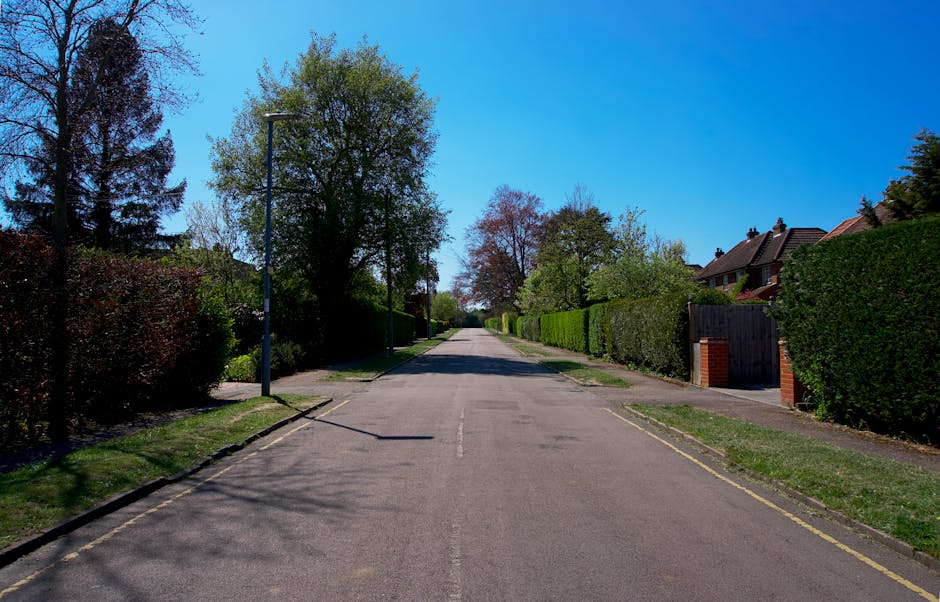
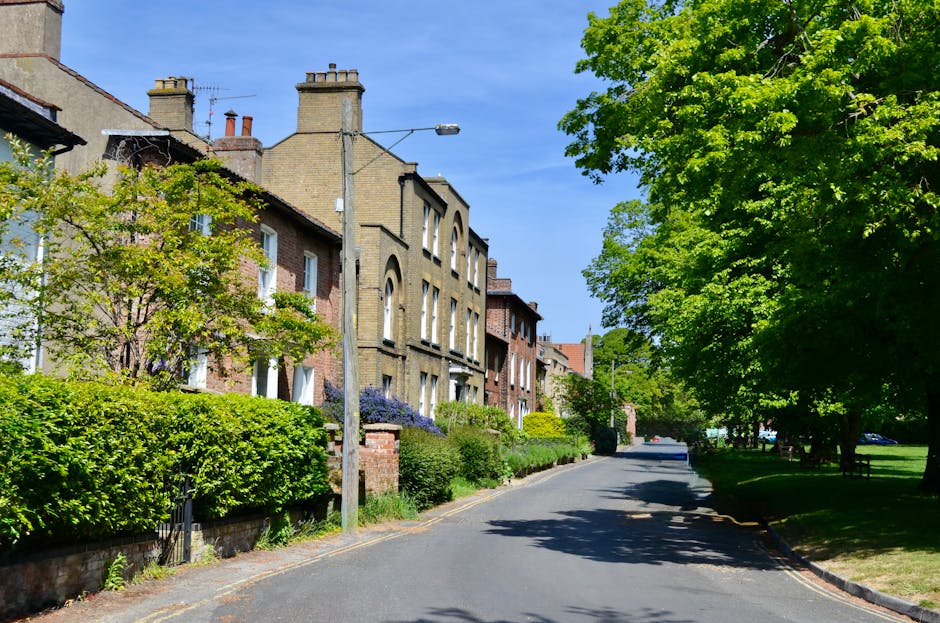
Gardens in and around IG2 are rarely uniform. Some are compact and urban, some are shared estate spaces, and others sit behind homes with awkward corners, patchy shade, or heavy foot traffic. That variety matters because the right approach to a lawn, hedge, border, or communal planter is different depending on how the space is used.
Local gardeners do more than cut grass and trim hedges. They help keep outdoor spaces tidy, safe, and usable throughout the year. On streets and estates, that can mean reducing trip hazards, keeping sightlines open, improving kerb appeal, and stopping a small weed problem from becoming a full-on seasonal headache. Anyone who has watched a front garden go from "fine for now" to wildly overgrown in three wet weeks will understand the point.
There is also a social side. On estates and shared-access properties, a well-kept garden creates a better first impression for residents, visitors, contractors, and letting agents. It feels cared for. It feels calmer. And that can change how people use the space, especially where children, pets, or older residents move through it every day.
If you want a broader look at the type of support available, the main gardening services page is a useful starting point, while about the team gives more context on the people behind the work.
How Gants Hill gardeners for IG2 streets and estates Works
In practical terms, local garden care usually begins with a walk-through or photos, then a discussion about priorities. That sounds basic, but it is often the difference between a decent result and a job that misses the mark. A front garden on a busy road may need quick, tidy attention every two weeks. A shared estate lawn may need a rolling schedule for mowing, edging, and weed control. A private rear garden might need seasonal pruning, planting, and occasional improvements instead.
The work itself is usually planned around three things:
- Access - Can equipment get in easily, or does everything have to be carried through narrow gates or side passages?
- Usage - Is the space decorative, practical, communal, pet-friendly, or child-friendly?
- Maintenance level - Does the garden need light ongoing care, or is it starting from an overgrown baseline?
From there, a gardener can shape a plan around mowing, hedge cutting, border clearance, planting, patio cleaning, or larger changes such as new fencing or landscaping. For more complex work, the support may be split into specialist tasks rather than one big visit. That is usually the sensible way to do it, especially on estates where disruption should be kept low.
For people dealing with a garden that has got away from them, the article on starting a garden revival is a handy companion piece. It explains the first steps without overwhelming you, which is honestly a relief when the garden looks a bit of a jungle.
Key Benefits and Practical Advantages
The obvious benefit is visual. A tidy garden simply looks better. But the real value runs deeper than that.
- Consistency - Regular care prevents the stop-start cycle that makes gardens harder to manage.
- Healthier growth - Proper trimming, feeding, and watering support stronger plants and cleaner borders.
- Better use of space - Small or awkward gardens feel bigger when clutter, weeds, and weak planting are managed well.
- Reduced maintenance stress - A well-kept space stays easier to look after between visits.
- Improved safety - Fewer slippery surfaces, overhanging branches, hidden hazards, and blocked paths.
There is also a long-term financial angle, though it should be treated carefully. Preventive maintenance is usually less disruptive and less costly than allowing problems to stack up. A hedge that is lightly trimmed at the right time is easier to handle than one that has become woody, heavy, and unruly. The same goes for lawns, beds, paving, and timber structures.
Where privacy matters, local support can help create calmer boundaries using planting or formal hedging. If that is on your mind, have a look at fast privacy hedge ideas and the dedicated hedge trimming in Gants Hill page.
Who This Is For and When It Makes Sense
This kind of service is not only for homeowners who love perfect borders and clipped box balls. Truth be told, it is often most useful for people who are busy, managing shared space, or dealing with gardens that need reliable upkeep rather than occasional enthusiasm.
It tends to suit:
- Residents on IG2 streets with front gardens that shape first impressions
- Estate managers who need communal areas kept tidy and safe
- Landlords and letting agents who want outdoor space presentable between tenancies
- Families who want a practical, low-stress garden they can actually use
- Older homeowners who prefer dependable help with the heavy bits
- Anyone with a garden that is too large, too shaded, too windy, or simply too demanding for weekend-only care
It also makes sense when you are preparing for a one-off event, sale, inspection, or seasonal reset. A garden can quietly undermine an otherwise lovely property if it looks tired. Nobody wants that. Not really.
If your outdoor space needs a more general reset, the guide on improving outdoor space on a budget gives sensible ideas without pushing you into unnecessary spending.
Step-by-Step Guidance
If you are planning garden support for a street property, shared estate, or private home in IG2, a clear process helps a lot. Here is a practical way to approach it.
- Walk the space carefully
Note problem areas first: overgrown hedges, patchy grass, blocked drainage, weeds in paving, or damaged fencing. A quick phone photo set is often enough if you cannot walk the site in person. - Decide what matters most
Do you need a tidy finish, a safer walkway, a better-looking frontage, or ongoing maintenance? The answer shapes the job. - Separate urgent work from cosmetic work
For example, loose branches, trip hazards, and broken boards should come before decorative planting. A garden should be safe before it is pretty. - Choose the right service mix
That may include regular garden maintenance, lawn mowing, lawn care, patio cleaning, or larger improvements such as landscaping. - Agree the frequency
Weekly, fortnightly, monthly, or seasonal visits each have a place. Estate spaces usually need a more regular rhythm than private gardens. - Review the result and adjust
After the first visit or two, look at what is working. If grass grows faster than expected, or the hedge needs shaping more often, refine the schedule.
That last step gets overlooked far too often. Yet gardens change. Soil changes. Light changes. A windy week can change the whole feel of a border. Good garden care adapts rather than ploughing ahead on autopilot.
Expert Tips for Better Results
Here are the small details that often separate a decent finish from a really good one.
- Use the season as your guide. In spring, focus on clearing, feeding, and shaping. In summer, consistency matters most. In autumn, leaf fall and pruning become more important. In winter, protect vulnerable plants and avoid damage from unnecessary foot traffic on frozen or saturated ground.
- Think in layers. Short grass, mid-height planting, and taller screening plants work better when the view is balanced. A flat garden can feel lifeless. A layered one has depth.
- Keep hedges realistic. A hedge that is allowed to race away will take more time and cost more to bring back under control. Regular shaping is kinder to the plant and your budget.
- Match planting to conditions. Shady corners, windy edges, and dry strips beside paving all need different plant choices. For ideas, see evergreen climbers for shade and tips for coping with wind.
- Don't ignore soil health. A garden can look neat but still struggle below the surface. Compost, mulching, and gentle feeding go a long way. The piece on turning green waste into garden value is worth a look.
And one small but important point: leave room for actual use. A garden that is beautiful but impossible to walk through is a bit of a missed opportunity, isn't it?
![An aerial view of a residential neighborhood during winter, showcasing a street lined with terraced houses that have snow-covered roofs. The houses are primarily brick with pitched roofs, some with dormer windows, and are closely spaced. On either side of the street, there are backyards enclosed by wooden fences, featuring a variety of garden layouts with lawn areas, paved patio sections, flower beds, and mature trees. Some gardens display neatly trimmed hedges, shed structures, or garden furniture. The lawns are covered with a light dusting of snow, and pathways through the gardens are visible, some cleared of snow. In the foreground, neighboring backyards reveal different levels of garden maintenance, with tools, garden furniture, and decorative elements scattered about. The surrounding environment includes a variety of deciduous and evergreen trees, contributing texture and greenery despite the winter scene. The scene is illuminated by natural daylight, highlighting the textures of the snow, the brick surfaces, and the garden vegetation. For garden maintenance, landscaping work, or hedge trimming services, [COMPANY_NAME] can assist with maintaining the tidy appearance and health of your outdoor space.](/pub/blogphoto/gants-hill-gardeners-for-ig2-streets-and-estates2.jpg)
Common Mistakes to Avoid
Local garden care can go wrong in predictable ways. Avoid these and you are already ahead.
- Cutting too hard, too fast. Over-pruning can stress shrubs and leave hedges looking thin for months.
- Chasing a one-off tidy without a plan. A single clean-up helps, but without follow-up the same issues return quickly.
- Using the wrong plant in the wrong place. Sun-loving plants in deep shade or delicate plants in exposed spots tend to struggle.
- Ignoring hard surfaces. Paving, decking, and patios build up grime, moss, and algae. If those are left alone, they undermine the whole garden. See decking services and patio cleaning where relevant.
- Not checking drainage. Waterlogging can wreck roots, compact soil, and leave lawns patchy.
- Forgetting access and storage. On estates especially, tools and waste need somewhere sensible to go. It sounds dull, but it matters.
Another one that catches people out: letting weeds seed before removing them. Once they have dropped seed, you are giving yourself extra work for no good reason. Classic garden self-sabotage.
Tools, Resources and Recommendations
You do not need a shed full of equipment to maintain a garden well, but the right tools do save time and improve the finish. A reliable gardener will usually bring the basics, while homeowners or site managers may want a few essentials on hand for between-visit upkeep.
| Task | Useful Tools | Why They Help |
|---|---|---|
| Lawn upkeep | Mower, edging tool, rake | Keeps grass even and edges crisp |
| Hedge work | Shears, hedge trimmer, safety goggles | Creates cleaner lines and safer cutting |
| Weed control | Hand fork, hoe, mulch | Reduces regrowth and keeps borders tidy |
| Planting and border work | Trowel, compost, watering can | Supports healthy establishment |
| Surface cleaning | Brush, pressure washer if suitable | Improves safety and appearance on hardstanding |
For broader practical guidance, these pages are especially useful: gardening gear essentials, weed control tips, and container gardening for small spaces.
If you are trying to make the most of a smaller frontage, the article on vertical garden ideas can help you think differently about walls, fences, and unused corners.
Law, Compliance, Standards, or Best Practice
Garden work is not the same as regulated building work, but there are still sensible standards to follow. Good practice matters on streets and estates because the work often affects shared access, neighbour boundaries, and general safety.
In practical terms, that usually means:
- Working safely around tools and machinery so people, pets, and passers-by are not put at risk
- Managing waste responsibly rather than dumping cuttings where they could block access or create hazards
- Respecting boundary lines and permissions before cutting back hedges, trees, or shared planting
- Using suitable control measures for slippery surfaces, loose branches, and uneven ground
- Keeping communication clear on estate work, especially where residents, landlords, or managing agents all have a stake in the result
For peace of mind, it also helps to review the business's own policies. The pages on health and safety, insurance and safety, terms and conditions, and payment and security give useful reassurance about how a professional service should be run.
For accessibility or complaints concerns, it is also sensible to know where to look: accessibility information and the complaints procedure are both relevant if you are managing a shared site or formal arrangement.
Options, Methods, or Comparison Table
There is no single right way to maintain a garden in IG2. The best method depends on how often the space is used, how quickly it grows, and how much neatness you want to maintain between visits.
| Approach | Best For | Pros | Trade-offs |
|---|---|---|---|
| One-off tidy-up | Overgrown gardens, pre-sale refresh, seasonal reset | Fast visual improvement | Needs follow-up to stay tidy |
| Regular maintenance | Homes, estate fronts, shared lawns | Predictable, easier to manage, better long-term control | Requires a schedule and commitment |
| Project-based work | Replanting, fencing, redesign, hard landscaping | Useful for bigger transformation | More planning needed upfront |
| Mixed approach | Most streets and estates | Balances upkeep with improvement | Needs a sensible brief so nothing gets missed |
For many IG2 properties, a mixed approach works best: regular care for the basics, with occasional upgrade work for things like hedges, planting, or damaged surfaces. It is practical. No drama, just good housekeeping.
Case Study or Real-World Example
Imagine a small estate frontage with a patchy lawn, a hedge pushing over the path, weeds in the edging, and a couple of tired beds that have lost their shape. Nothing catastrophic. Just a space that looks a bit neglected.
A sensible first visit would usually tackle the hedge line, clear the weeds, define the edges, and bring the lawn back under control. If the soil looked tired, a gardener might suggest feeding, mulch, or a planting change rather than simply cutting everything shorter. If the path had moss or dirt, a clean-up would help with safety and appearance. If one side stayed too shaded for lawn, a ground-cover solution might make more sense than trying to force grass to do a job it does not want.
That is where local judgement really helps. A good gardener will not just ask, "How do we make this neater?" but "What will keep this easier to manage next month?" That small shift saves time later. You notice it most in spring and early summer, when growth speeds up and the difference between a maintained site and an unmanaged one becomes obvious very quickly.
For extra design ideas in awkward spaces, have a look at ground cover plant ideas, zen garden design, and comfortable seating spaces. They can help you think beyond simple tidying.
Practical Checklist
Use this checklist before booking or reviewing garden work for an IG2 street or estate.
- Identify whether the space is private, shared, or semi-public
- List the main problems in order of urgency
- Check access for tools, waste removal, and safe movement
- Decide whether you need one-off work or ongoing care
- Note any pets, children, or vulnerable users who rely on the space
- Confirm whether hedges, trees, or boundaries need special care
- Ask about garden maintenance, mowing, hedge trimming, and patio cleaning as needed
- Review health and safety expectations before work begins
- Make sure you understand timing, pricing, and what is included
- Plan a follow-up date so the garden does not drift back into disorder
If you are not sure where to start, the service pages for lawn care and fencing are useful when the job is part upkeep, part repair.
Conclusion
Gants Hill gardeners for IG2 streets and estates play a bigger role than many people realise. They help turn outdoor areas into places that feel looked after, easier to use, and less stressful to maintain. Whether you are managing a front garden, a communal lawn, a row of hedges, or a mixed-use estate space, the value is usually in steady, practical care rather than flashy transformation.
The best results come from clear priorities, realistic schedules, and attention to the details that make a garden hold together over time. Clean edges, manageable growth, safe surfaces, and well-matched planting might not sound dramatic, but they are what keep a space feeling good day after day. And honestly, that is what most people want.
Get a free quote today and see how much you can save.
When the garden is working properly, life feels easier. Simple as that.